
Worn Suspension Parts Can Make Steering Feel Loose, Slow, and Harder to Predict
Your car’s suspension and steering work as a team. When suspension parts wear out, the tires may not stay flat on the road. That can make the wheel feel shaky, loose, or hard to control. In many cases, suspension repair helps protect steering control by keeping the vehicle stable, balanced, and easier to guide in traffic, turns, and sudden stops.
Quick Diagnosis Summary
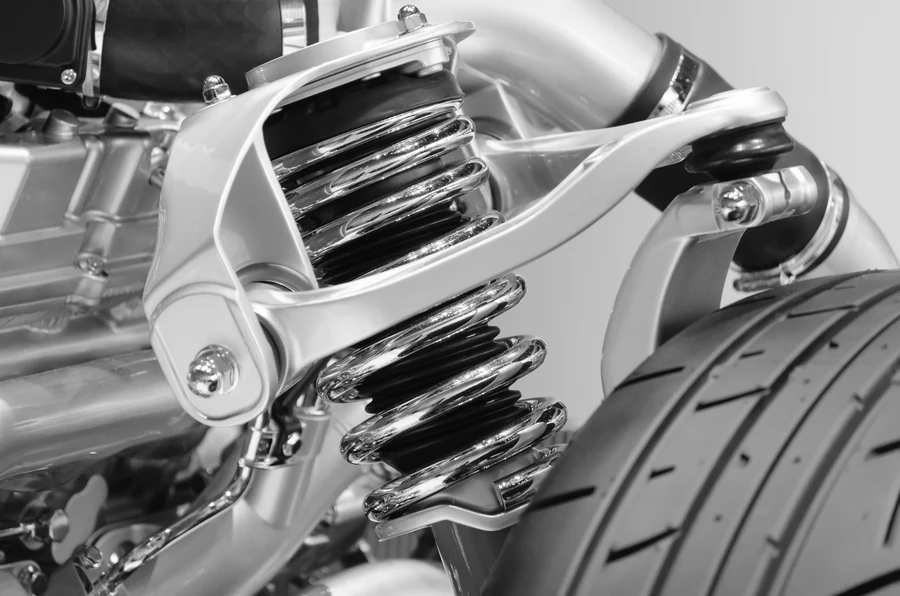
If your steering feels off, the problem may not start in the steering system alone. Bad shocks, weak struts, worn ball joints, and damaged control arms can all change how your car responds. suspension repair fixes these parts so your wheels stay in better contact with the road. That gives you steadier handling and more control behind the wheel.
Common Symptoms
Small changes in steering feel can point to bigger suspension trouble. You may notice the car pulling to one side, bouncing too much after a bump, or leaning hard in turns. The steering wheel may also feel loose or shaky. Some drivers hear clunks over rough roads. Others feel extra play when they turn into a parking spot.
Watch for these common signs:
- Steering wheel vibration
- Vehicle drifting left or right
- Nose diving when braking
- Body roll during turns
- Uneven tire wear
- Clunking or knocking sounds
- Delayed steering response
These signs matter because steering control depends on steady tire contact. If the suspension cannot hold the vehicle level, the tires lose grip more easily. That can make normal driving feel less stable, especially on wet roads or during quick lane changes.
Likely Causes
Many parts in the suspension system can affect steering. Shocks and struts help control bounce. Ball joints let parts move the right way while staying tight. Control arms help keep the wheels lined up. Bushings cushion movement and reduce extra play. When these parts wear down, the wheels can shift in ways they should not.
Here are a few common causes of poor steering control tied to suspension repair:
- Worn struts that allow too much front-end movement
- Weak shocks that reduce tire contact on rough roads
- Loose ball joints that create wandering or shaking
- Damaged tie-in parts between the suspension and steering
- Broken bushings that let the suspension move too far
- Poor wheel alignment caused by worn suspension parts
Even if the steering gear still works, these issues can change how the car tracks and turns. That is why suspension problems often feel like steering problems first.
What to Check First
Start with the easy signs. Look at your tires. Uneven wear on one edge can point to alignment trouble or worn parts. Push down on the front or rear of the car. If it keeps bouncing, the shocks or struts may be worn. Listen for noises when turning or driving over speed bumps.
You can also check for changes in how the car feels each day. Ask yourself:
- Does the vehicle pull more than before?
- Does the wheel shake at certain speeds?
- Does the front end dip hard when braking?
- Does the body lean too much in turns?
- Do bumps feel harsher or more bouncy?
If the answer is yes to more than one of these, a suspension issue may be affecting steering control. This is also a good time to ask for a full check of the steering and suspension service category, since both systems depend on each other.
Safe Fixes Vs Pro-Level Fixes
Some simple checks are safe for drivers. You can inspect tires, note sounds, and pay attention to ride feel. You can also keep tire pressure at the right level. These steps can help you spot trouble early.
Actual suspension repair is different. Replacing struts, ball joints, or control arms takes tools, lifting equipment, and a careful follow-up alignment. If these parts are installed wrong, steering can get worse instead of better. A poor repair can also lead to fast tire wear and unsafe handling.
Professional work is the better choice when:
- The steering feels loose all the time
- You hear metal clunks
- The vehicle dips, sways, or bounces a lot
- Tires show uneven wear again after rotation
- The car does not track straight after a bump or pothole hit
A trained technician can inspect the full system, find worn parts, and confirm if alignment is also needed after suspension repair.
Prevention Tips
You cannot stop every suspension problem, but you can lower the risk. Slow down for potholes, speed bumps, and rough road edges. Keep tires inflated the right way. Rotate them on schedule. Do not ignore small noises or changes in steering feel. Small issues often grow into bigger repairs when left alone.
It also helps to have the suspension checked after a hard curb strike or a deep pothole hit. Even one impact can bend or loosen parts enough to affect steering control. Regular inspections can catch wear before the car becomes harder to handle.
Get Help Before Steering Problems Get Worse
If your car feels unstable, drifts, or reacts slowly when you turn, it may be time for suspension repair. Drivers in Oxnard, CA can schedule an inspection before tire wear and handling issues grow. At Oxnard Tires and Wheels Number 2, we can check the worn parts, explain what we find, and help you choose the next step. Call us at (805) 483-2176 to set up a visit.