
How to Tell When Your Car’s Ride and Handling Need Expert Attention
If your car feels bouncy, pulls to one side, dips hard when braking, or makes clunking sounds over bumps, it may be time for suspension repair at a tire shop. These signs often mean worn shocks, bad struts, damaged springs, or loose steering parts. In Oxnard, CA, rough roads and potholes can speed up wear. Acting early can help you avoid unsafe handling, uneven tire wear, and bigger repair bills later.
Quick Diagnosis Summary
Your suspension helps your car stay steady, smooth, and easy to control. When it starts to fail, the change is often easy to feel. The ride may get rough. The front end may dive forward when you stop. The body may lean too much in turns. You may also notice your tires wearing out faster than normal. A tire shop can often spot these issues during an inspection because tire wear and suspension problems often show up together.
Common Symptoms
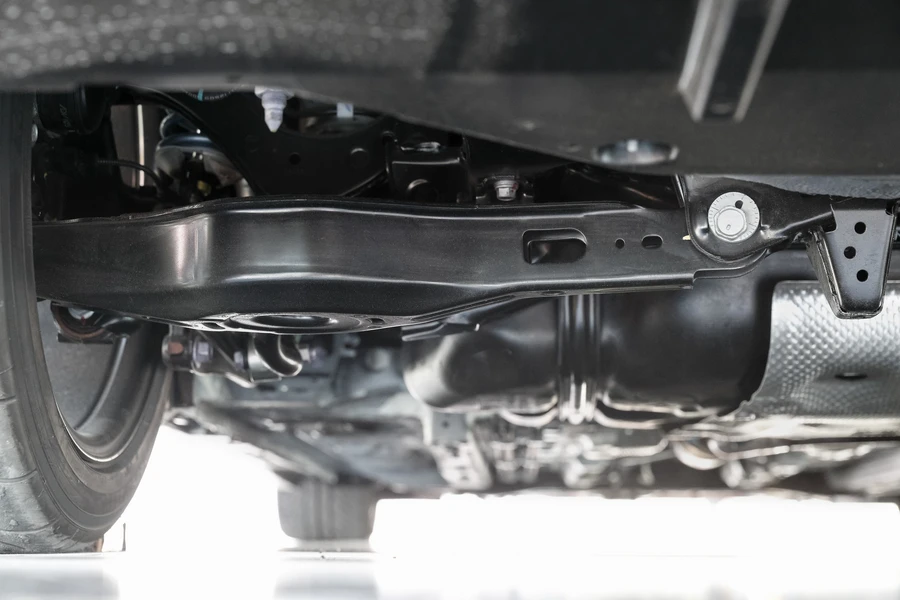
Many drivers wait too long because the problem starts small. A worn suspension part may not fail all at once. It may slowly make the car harder to control. Here are some common warning signs:
- The car bounces more than usual after hitting a bump
- The steering feels loose or shaky
- The vehicle pulls left or right
- You hear clunking, knocking, or squeaking noises
- The front end dips when braking
- The car squats in the rear when speeding up
- One or more tires show uneven tread wear
- The car leans too much during turns
If you notice one or more of these signs, a checkup is a smart next step. Even if the tires are new, bad suspension parts can ruin them fast.
Likely Causes
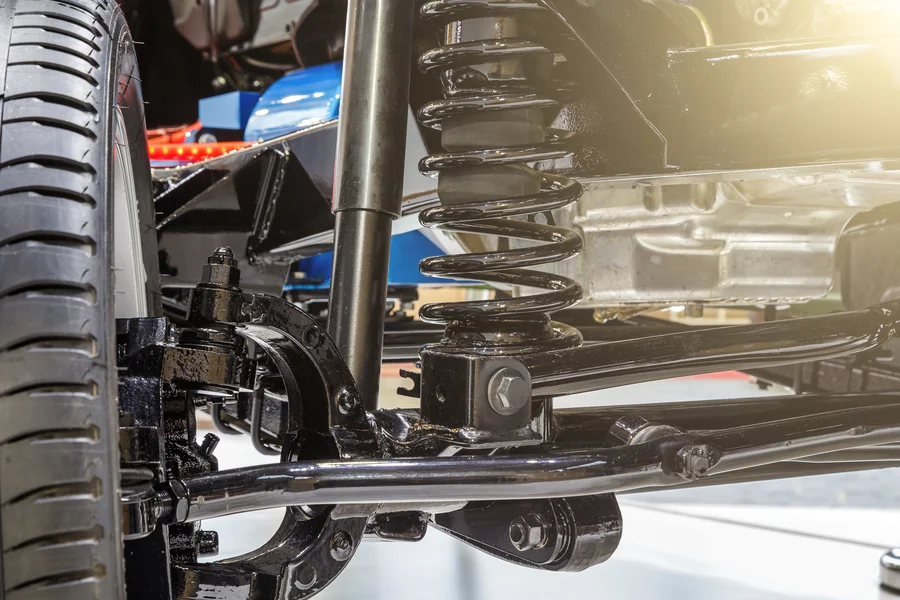
There are several parts in a suspension system, and each one has a job. Shocks and struts help control bounce. Springs hold the vehicle up and absorb impact. Ball joints, control arms, and bushings help the wheels move the right way. Tie rods and other steering parts also affect how the vehicle tracks down the road.
When one of these parts wears out, the whole system can feel off. A bad strut may cause bouncing and poor braking feel. Worn bushings may lead to clunks and loose handling. A weak spring may make one corner of the car sit lower. In some cases, poor wheel alignment is part of the problem too. This service category often overlaps with suspension and tire work because the systems affect each other every day.
What to Check First
Before you guess at the cause, start with simple signs you can spot. Walk around the car and look at ride height. Does one side look lower? Check the tires for bald spots, cupping, or heavy wear on one edge. Push down on the hood or trunk and let go. If the car keeps bouncing, the shocks or struts may be worn.
You can also think about how the car feels during normal driving. Does it wander on the highway? Does the steering wheel shake after hitting rough pavement? Does the car feel less stable than it used to? These clues can help a shop narrow down the issue faster.
- Look for uneven tire wear
- Listen for noises over bumps
- Notice changes in braking and cornering
- Check if the car sits unevenly
- Schedule an inspection if the signs keep showing up
Safe Fixes Vs Pro-Level Fixes
Some basic steps are safe for most drivers. You can check tire pressure, inspect tread wear, and pay attention to changes in handling. You can also reduce speed on rough roads and avoid heavy loads if the car already feels unstable.
Most actual suspension repair jobs should be left to a trained technician. Replacing struts, springs, control arms, or ball joints takes the right tools and know-how. Some parts hold a lot of tension and can be dangerous to remove. After many suspension repairs, the vehicle also needs a precise alignment. Without that final step, the car may still pull or wear out tires too soon.
Prevention Tips
You cannot stop every problem, but you can help your suspension last longer. Slow down for potholes, speed bumps, and broken pavement. Keep your tires inflated to the right pressure. Rotate them on schedule. Pay attention after hitting a curb or deep hole, even if the car still seems fine. Small damage can grow over time.
Routine inspections also help. If your vehicle is in for new tires, balancing, or alignment, that is a good time to ask for a suspension check. Catching wear early can protect your tires and make driving safer. It can also help you avoid replacing several parts at once after months of extra strain.
When to Call a Professional
You should get expert help if the car feels unsafe, makes loud noises, drifts across the lane, or bounces too much after bumps. Do not wait if braking feels unstable or if the steering suddenly changes. Those signs can affect control of the vehicle. A tire shop can inspect the suspension, steering, and tire condition together, which gives a clearer picture of what is going wrong.
If the issue started after hitting a pothole or curb, get it checked soon. Even one hard impact can bend parts or knock the alignment out. Fast service may save your tires and keep the problem from spreading to other parts.
Get Help Before the Problem Gets Worse
If your vehicle shows signs of suspension repair, we invite you to schedule an inspection in Oxnard, CA. At Oxnard Tires and Wheels Number 2, we can check the ride, steering, and tire wear to find the cause and explain the next steps clearly. Call us at (805) 483-2176 to set up a visit and help keep your car safe on the road.