Fixing Shifting Problems Helps Your Car Run Smoother, Respond Faster, and Waste Less Power
How transmission repair improves vehicle performance is simple: when the system shifts the way it should, your car can send engine power to the wheels with less drag, less slipping, and less strain. That means smoother driving, better pickup, and less wear on other parts. In many cases, fixing worn or damaged transmission parts also helps stop shaking, hard shifting, and delayed movement.
Quick diagnosis summary
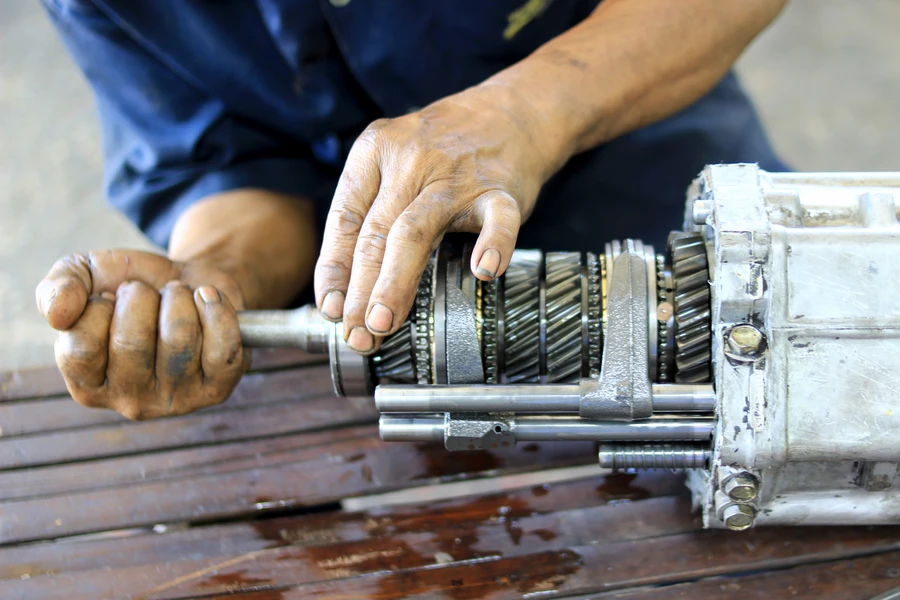
A vehicle with transmission trouble often feels slow, jumpy, or rough. You may press the gas and notice a delay before the car moves. You may also feel hard shifts, hear odd sounds, or see the engine rev too high. Transmission repair helps by fixing the parts that control gear changes and power flow. When those parts work right again, the car drives better and feels more steady on the road.
Common symptoms
Many drivers do not spot early signs until the problem gets worse. Some signs are mild at first. Others show up fast. If your car is acting different, the transmission may be part of the issue.
- Delayed shifting when you speed up
- Jerking or clunking between gears
- Slipping out of gear
- Burning smell from under the hood
- Fluid leaks under the vehicle
- Humming, whining, or grinding sounds
- Poor fuel use from bad gear timing
These signs can make daily driving harder. They can also hurt vehicle performance because the engine has to work harder when gear changes are off.
Likely causes
There are a few common reasons a transmission stops working the right way. Low fluid is one of the biggest. Dirty fluid can also cause poor shifting because it stops moving heat and pressure the right way. Worn clutch packs, damaged bands, bad solenoids, or a failing torque converter can also lead to slow response and rough driving.
Modern vehicles use both mechanical parts and electronic controls. That means a small sensor issue may lead to big performance problems. If the system gets the wrong signal, it may shift at the wrong time. That can make the car feel weak, rough, or noisy.
Even though the service category keyword is blank here, the repair still fits within general vehicle service and driveline care. The main goal is to help the whole powertrain work better together.
What to check first
Before major work starts, it helps to check a few basic things. Some problems come from simple issues, while others need full testing.
- Look for red or brown fluid under the car.
- Check if the transmission fluid level is low.
- Notice any burning smell after driving.
- Pay attention to when the problem happens.
- Watch for dashboard warning lights.
- Listen for sounds during shifting or turning.
These steps can give useful clues. For example, if the problem happens only when the car is cold, the fluid or internal seals may be part of the issue. If it slips more under load, worn internal parts may be the cause.
Safe fixes vs pro-level fixes
Some transmission problems have simple answers. Others need tools, scan data, and hands-on testing. Safe fixes may include topping off the right fluid, replacing old fluid if the vehicle calls for it, or fixing a small leak caught early. In some cases, a software update can also help with shift timing.
Pro-level repairs are different. Replacing solenoids, opening the transmission case, repairing internal damage, or testing hydraulic pressure should be done by trained technicians. These jobs affect how power moves through the vehicle. If done the wrong way, they can lead to more damage and higher repair needs later.
Good transmission repair does more than stop a noise. It helps restore clean shifting, steady acceleration, and better control. That is why proper testing matters before parts get replaced.
Prevention tips
Many transmission issues build over time. A few habits can help lower the risk and keep performance more consistent.
- Check for leaks once in a while
- Use the correct fluid for your vehicle
- Do not ignore rough or delayed shifting
- Follow the service schedule in your owner’s manual
- Avoid heavy towing beyond the vehicle limit
- Let the vehicle warm up during very cold mornings
- Get strange sounds checked before they grow
It also helps to drive smoothly. Fast starts, sudden stops, and heavy strain can wear the system faster. If you use your vehicle for work, long trips, or stop-and-go traffic in Oxnard, CA, regular inspections can help catch trouble early.
Final recommendation
If your car feels slow, shifts hard, or struggles to stay in gear, it is smart to have it checked soon. Small problems can turn into large ones when they are ignored. At Oxnard Tires and Wheels Number 2, we help drivers find the cause of poor shifting and restore smoother performance. If you are in Oxnard, CA and want clear answers, call us at (805) 483-2176 to schedule a visit with our team.